
Comprehensive guide to synthetic soccer turf: benefits, installation, and maintenance
Discover the advantages of synthetic soccer turf, how to choose the best type for your field, and essential maintenance tips.
The world of soccer is constantly evolving, and one of the most significant innovations is the use of synthetic turf for soccer fields. This technology has revolutionized how games are played and fields are maintained, offering numerous benefits over traditional grass. In this comprehensive guide, we will explore the advantages of synthetic soccer turf, how to select the best type for your field, and essential maintenance practices.
What you'll find on this page:
WHAT IS SYNTHETIC TURF FOR SOCCER FIELDS?
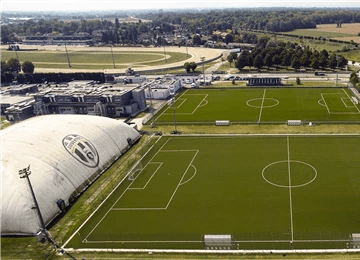
Synthetic soccer turf, also known as artificial soccer turf, is a surface made of artificial fibers that mimic the appearance and functionality of natural grass. Initially developed for arenas and stadiums where maintaining natural grass was challenging due to weather conditions and heavy usage, synthetic turf is now widely used in professional and amateur soccer fields worldwide.
BENEFITS AND ADVANTAGES
Durability and resilience: One of the primary benefits of synthetic soccer turf is its durability. Unlike natural grass, which can become worn and patchy over time, synthetic turf is designed to withstand heavy use and harsh weather conditions. Products like Double X artificial soccer turf boast remarkable resilience and elastic memory, making them avant-garde playing surfaces. The unique double diamond shape and ultra-high double thickness enhance longevity, ensuring they can withstand UV rays, ice, and the rigors of regular play.
Consistent playing surface: Synthetic turf provides a consistent playing surface crucial for high-level soccer performance. This consistency helps reduce the risk of injuries caused by uneven ground or muddy patches, common issues with natural grass fields.
Low maintenance: Maintaining natural grass can be labor-intensive and costly, requiring regular watering, mowing, fertilizing, and pest control. In contrast, synthetic turf requires minimal maintenance, saving time and money. Products like Lesmo 3S, which combine the strengths of Double 4 and Lesmo HD, offer a tricolor design and tri-shape composition that not only enhances aesthetics but also minimizes maintenance requirements.
Weather resistance: Synthetic turf can be used in various weather conditions without becoming waterlogged or muddy. This allows for uninterrupted play and training sessions, regardless of the weather. For instance, the All Star synthetic turf, with its durable ESENE C6 polymers and HR anti-radiation products, remains cool in scorching climates and offers excellent reflectance and slip resistance, reducing abrasion and glare.
Environmental benefits: While there is some debate about the environmental impact of synthetic turf, it can reduce water usage and the need for chemical treatments such as fertilizers and pesticides, making it a more eco-friendly option in certain contexts.
Fiber composition and structure
The quality and structure of the fibers are crucial for the performance and longevity of the turf. For example, Double X turf's double diamond shape and high thickness provide superior durability and performance. Similarly, All Star turf's unique fiber composition, with four distinct sections, offers a balance of resilience, comfort, coverage, and infill reinforcement.
Pile height and density
Infill material
INSTALLATION PROCESS
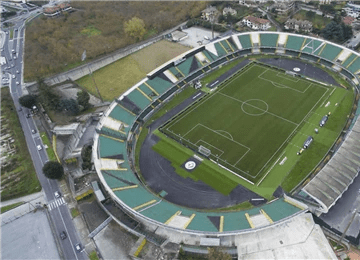
The installation of synthetic soccer turf involves several critical steps to ensure a safe and high-performing playing surface.
- Site preparation: The first step is to prepare the site by removing existing grass and leveling the ground. Proper drainage systems should be installed to prevent waterlogging.
- Base layer installation: A base layer of crushed stone or gravel is laid down and compacted to create a stable foundation. This layer ensures proper drainage and supports the synthetic turf.
- Turf installation: The synthetic turf rolls are laid out and trimmed to fit the field dimensions. The edges are then secured, and seams are joined using adhesive or sewing techniques to create a seamless playing surface
- Infill application: Infill material is spread evenly over the turf and brushed into the fibers. This step provides stability, shock absorption, and a natural feel to the turf.
- Final grooming: The final step involves grooming the turf to ensure the fibers are upright, and the infill is evenly distributed. This helps achieve the desired playing characteristics and aesthetics.
MAINTENANCE AND CARE
Proper maintenance is key to maximizing the lifespan and performance of a synthetic turf soccer field. While artificial turf for soccer fields requires significantly less upkeep than natural grass, a consistent care routine ensures the surface remains safe, compliant, and playable.
Some products are designed to be even more low-maintenance than others. Lesmo 3S, for example, is engineered to combine performance and aesthetics with minimal upkeep - making it an ideal choice for facilities looking to reduce operational costs without compromising on quality.
Core maintenance steps include:
-
Regular brushing to keep fibers upright and infill evenly distributed
-
Periodic infill top-up to maintain shock absorption
-
Cleaning and sanitation to remove debris and contaminants
-
Drainage checks, especially after heavy rainfall
-
Periodic surface performance testing
-
Seam and edge inspection for lifting or wear
Italgreen offers professional maintenance support through its Italgreen Care program, which includes scheduled inspections, maintenance interventions, infill supply, and warranty extensions.
SYNTHETIC TURF, AN ESSENTIAL COMPONENT IN SOCCER FIELDS
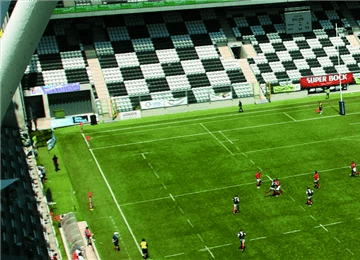
Synthetic soccer turf has become an essential component in modern soccer fields, offering numerous benefits over natural grass, including durability, low maintenance, and consistent playing conditions.
By understanding the advantages and selecting the right type of synthetic turf, soccer enterprises can ensure optimal performance and longevity for their fields. Proper installation and regular maintenance are crucial to maximizing the benefits of synthetic turf and providing a safe, high-quality playing surface for players. With the right care, synthetic soccer turf can enhance the game experience.
FAQ
- What is a synthetic turf soccer field?
A synthetic turf soccer field is a playing surface made of artificial fibers designed to replicate the appearance and performance of natural grass. Also known as artificial soccer turf, it is used in professional stadiums, training centers, and amateur facilities worldwide, offering consistent playing conditions regardless of weather or usage intensity. - What are the main benefits of synthetic soccer turf?
Synthetic soccer turf offers several key advantages over natural grass: it is highly durable and resistant to heavy use and harsh weather; it requires minimal maintenance compared to a natural soccer lawn; it provides a consistent, even playing surface that reduces injury risk; and it allows year-round play without becoming waterlogged or muddy. - What artificial turf does Italgreen recommend for soccer fields?
Italgreen offers several artificial turf options for soccer fields, including Double X, Lesmo 3S, and All Star. Double X is engineered for durability and elastic memory; Lesmo 3S combines aesthetics and low maintenance; All Star is designed for performance in extreme heat with anti-radiation polymer technology. - How is a synthetic turf soccer field installed?
Installation involves five steps: site preparation and drainage setup, base layer installation with compacted gravel or crushed stone, laying and trimming the synthetic turf rolls, infill application, and final grooming to ensure even fiber distribution and correct playing characteristics. - How do you maintain a synthetic turf soccer field?
Maintenance includes regular brushing, periodic infill top-ups, cleaning and sanitation, drainage checks, surface performance testing, and seam inspections. Italgreen's Italgreen Care program provides professional maintenance support including scheduled inspections and warranty extensions. - Is synthetic soccer turf suitable for all weather conditions?
Yes. Unlike a natural soccer lawn, synthetic turf does not become waterlogged in rain or harden in drought. Products like All Star are specifically engineered to remain cool in high temperatures and maintain grip and resilience in extreme conditions.